

In today’s fast-paced technological arena, where displays are integral to everything from medical diagnostics to aerospace controls, the art and science of component assembly and integration in LCD systems cannot be overstated. At AGDisplays, we pride ourselves on delivering turnkey solutions that not only meet but exceed the stringent demands of modern applications. This technical deep dive builds on our foundational services, delving deeper into the engineering principles, processes, and innovations that underpin our component assembly and integration offerings. We’ll explore the historical evolution, intricate technical specifications, advanced integration techniques, state-of-the-art facilities, and future directions, all while illustrating how these elements converge to provide unparalleled performance, reliability, and cost-efficiency for our clients.
The Historical Evolution and Critical Importance of LCD Component Assembly
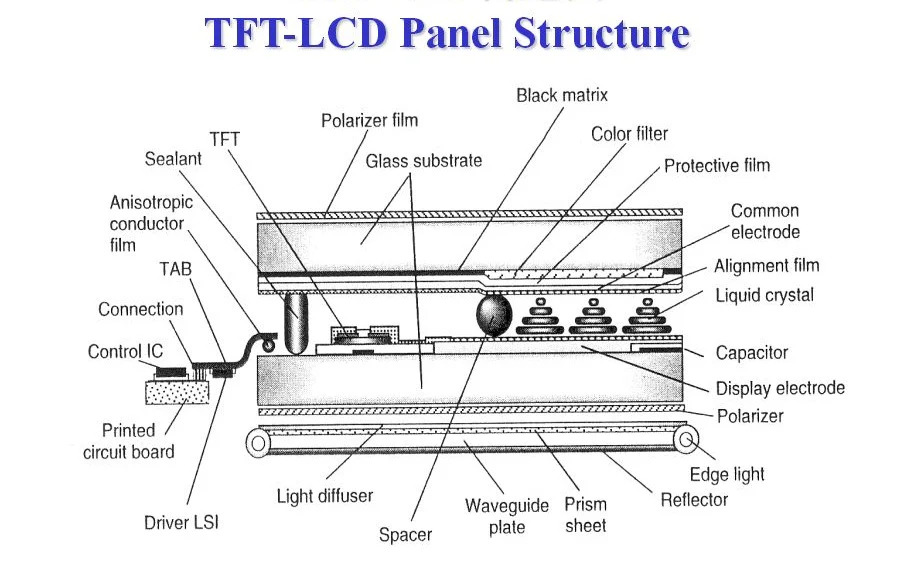
The journey of LCD technology began in the 1960s with the discovery of liquid crystals, but it wasn’t until the 1980s that assembly techniques matured to support widespread adoption in consumer electronics. Early assemblies were rudimentary, often involving manual alignment of polarizers and backlights, leading to inconsistencies in brightness and color uniformity. Today, component assembly encompasses sophisticated integration of active matrix TFT (Thin Film Transistor) layers, touch interfaces, and high-speed signaling cables, all optimized for metrics like pixel density (up to 8K resolutions), refresh rates (exceeding 240Hz), and luminance (over 1000 nits for sunlight readability).
Technically, LCD assembly addresses key challenges such as thermal management—where mismatched coefficients of thermal expansion (CTE) between glass substrates and adhesives can lead to delamination—and electromagnetic compatibility (EMC), ensuring minimal interference in signal transmission. Proper integration reduces failure modes like black spots from dust ingress or flickering from impedance mismatches. Industry data from sources like Display Supply Chain Consultants indicate that well-integrated LCDs can achieve a 40% reduction in power consumption and a 25% extension in operational lifespan. At AGDisplays, our approach leverages multiple layered procurement strategies to source compatible components, minimizing risks and enabling custom designs that align with client specifications, whether for ruggedized military displays or high-volume industrial panels.
In-Depth Breakdown of Key Integration Capabilities
Our integration services are engineered to transform standard LCD modules into bespoke solutions. Below, we expand on each capability with technical specifics.
Touch Sensor Integration: Principles and Implementation
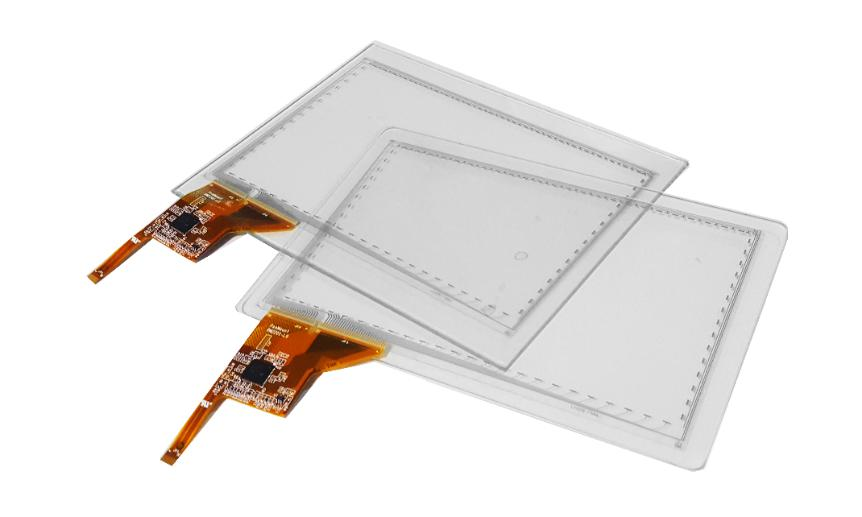
Touch integration is a multifaceted process that enhances user interactivity while maintaining optical integrity. We support resistive touch panels (RTP), which operate via pressure-induced contact between two conductive layers, offering accuracy in environments with gloves or styluses, and projected capacitive touch (PCAP), which detects changes in capacitance through an ITO grid, enabling multi-touch gestures with up to 10 points.
The integration workflow begins with optical bonding using OCA, a silicone-based adhesive with refractive indices matched to glass (typically 1.48-1.52) to minimize reflections (down to 0.5%). This involves vacuum lamination at pressures of 0.1-0.5 MPa to eliminate air bubbles, followed by UV curing at 365nm wavelength for cross-linking. For capacitive sensors, we ensure electrode patterns align with the LCD’s sub-pixel structure to avoid moiré effects, using finite element analysis (FEA) to simulate touch force distribution. In high-vibration applications, like automotive, we incorporate damping layers to prevent false triggers.
Our touchscreen cables feature durable flex designs with a wide array of connectors, ensuring signal integrity over bends with radii as small as 1mm. This service has proven invaluable in medical devices, where touch accuracy within 0.5mm is critical for precise inputs.
LED Upgrades and Backlighting: Enhancing Luminance and Efficiency
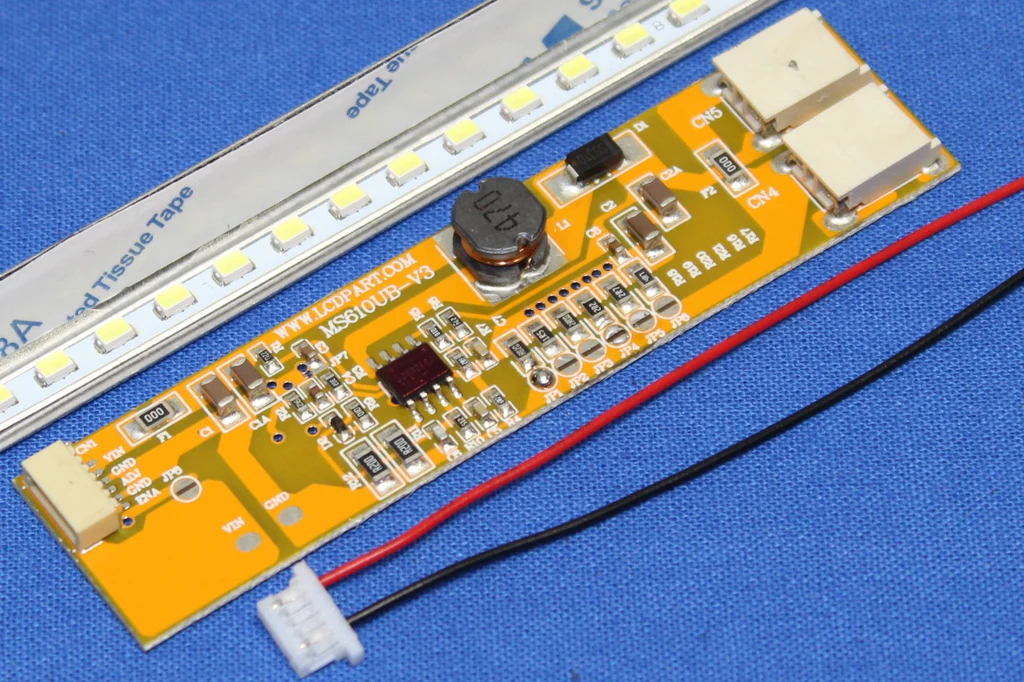
LED backlighting represents a quantum leap from CCFL, offering luminous efficacies of 100-150 lm/W versus 60-80 lm/W. Our upgrades involve custom arrays—edge-lit for slim profiles or direct-lit for uniformity—tailored to achieve high-brightness levels (1000-2000 nits) for sunlight-readable displays.
Technically, we design LED drivers with constant current topologies to maintain brightness across voltage variations (wide input range of 5-24V), incorporating PWM dimming for ratios up to 1000:1. For NVIS (Night Vision Imaging System) compatibility, we integrate dual-mode solutions with infrared filtering. Heat dissipation is managed via thermal vias and aluminum substrates, keeping junction temperatures below 85°C to prevent lumen degradation (typically <30% over 50,000 hours).
Custom LED assemblies include dot matrix displays with pixel pitches down to 0.5mm and light bars with CRI >90 for color-critical applications. In aerospace, these upgrades have boosted MTBF to over 100,000 hours by reducing thermal stress on liquid crystals.
Cover Glass Solutions: Durability and Optical Enhancements
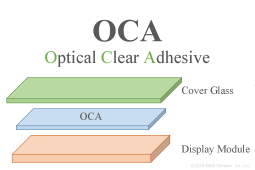
Cover glass integration fortifies LCDs against environmental stressors. We employ chemically strengthened glass with compressive stresses of 700-900 MPa, achieving IK08 impact ratings and resistance to chemicals like isopropyl alcohol.
Optical bonding with OCA eliminates the air-glass interface, boosting transmittance to 98% and contrast by 400:1 in ambient light. The process uses five dedicated OCA lines for precise application, with thickness control to 0.1mm tolerances. For anti-reflective coatings, we apply multi-layer dielectrics reducing reflectance to <1%.
In ruggedized setups, we add heaters for defogging in humid conditions (operating from -40°C) and EMI shields with attenuation >60dB. This has enabled deployments in harsh industrial environments, where displays withstand 1m drops without fracture.
Advanced Cable and Harness Assemblies: Ensuring Seamless Connectivity
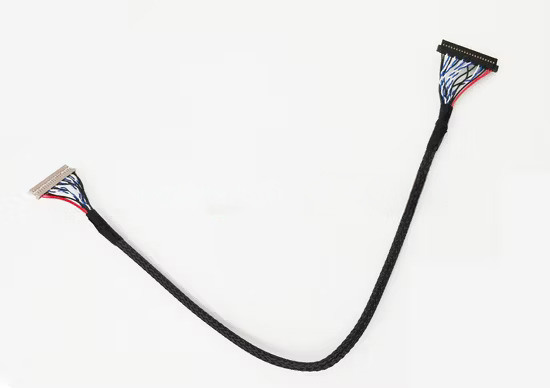
Cables are the lifeline of LCD systems, and our custom solutions span LVDS, eDP, TTL, USB, and more.
LVDS Technology: High-Speed, Low-Noise Data Transfer
LVDS employs differential signaling over twisted-pair cables, operating at 350mV swings for data rates up to 3.125 Gbps per pair. The twisted configuration cancels EMI, achieving common-mode rejection ratios >50dB. We craft custom LVDS cables to match pin-outs, lengths (up to 10m), and headers, interfacing LCDs with SBCs or motherboards. This mitigates issues from mismatched OEM cables, ensuring low BER (<10^-12) in noisy environments.
TTL Cable Solutions: Standards-Compliant Interfacing
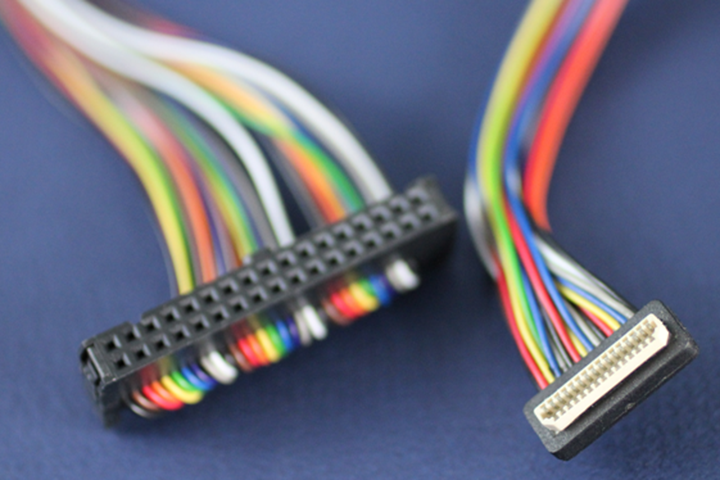
TTL cables adhere to VESA FPDI-1, featuring Hirose DF9 connectors with 31-41 pins and 1mm pitch. These “D”-shaped plugs offer secure locking and smooth insertion, with options for shielding (foil or braid) to combat crosstalk. We provide rugged overmolded variants, FFC adapters, and flying leads for versatile applications.
Flexible Printed Circuits (FPC): Versatile and Compact
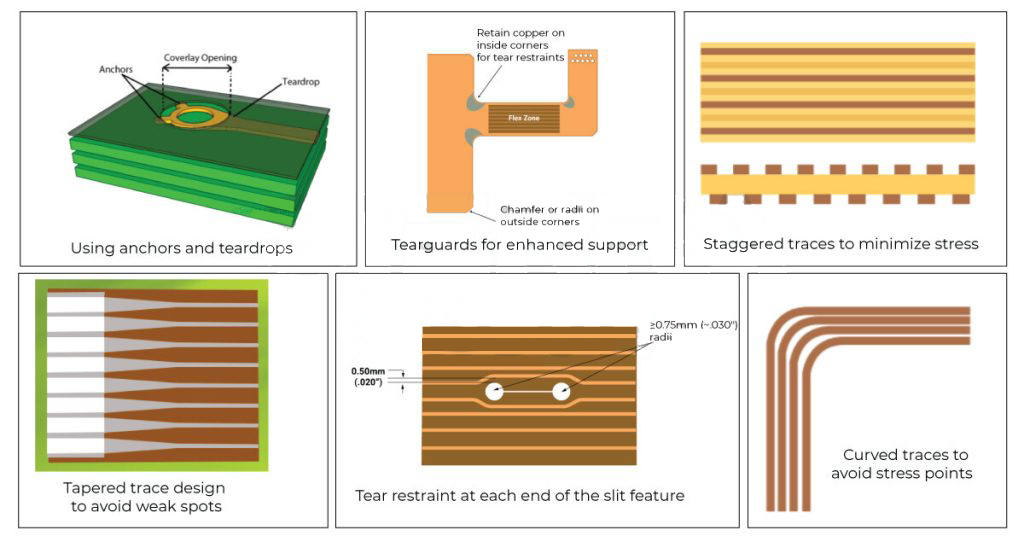
FPCs consist of copper traces (thickness 0.0001-0.010 inch) on polyimide dielectrics (0.0005-0.010 inch), enabling bends without fatigue. Types include single-sided (one metal layer), double-sided (with vias), multi-layer (up to 12 layers), and rigid-flex hybrids. Advantages: space savings (up to 70% volume reduction) and dynamic flexing (millions of cycles). We integrate FPCs with micro coax (e.g., ACES connectors) for high-frequency signals.
LED Controllers and Custom Assemblies
Our sourced LED controllers feature high output (up to 50W), low consumption (<1W standby), and dimming via analog or digital interfaces. Custom assemblies like message panels use segmented LEDs for alphanumeric displays, with optics for viewing angles >140°.
Facilities, Equipment, and Processes: The Backbone of Precision Manufacturing
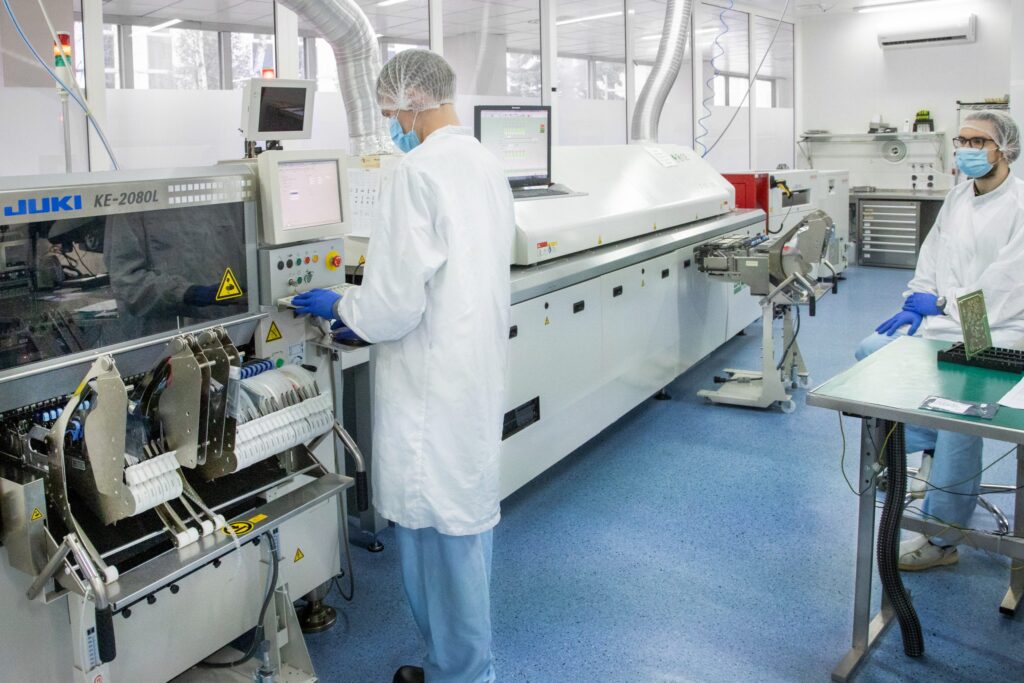
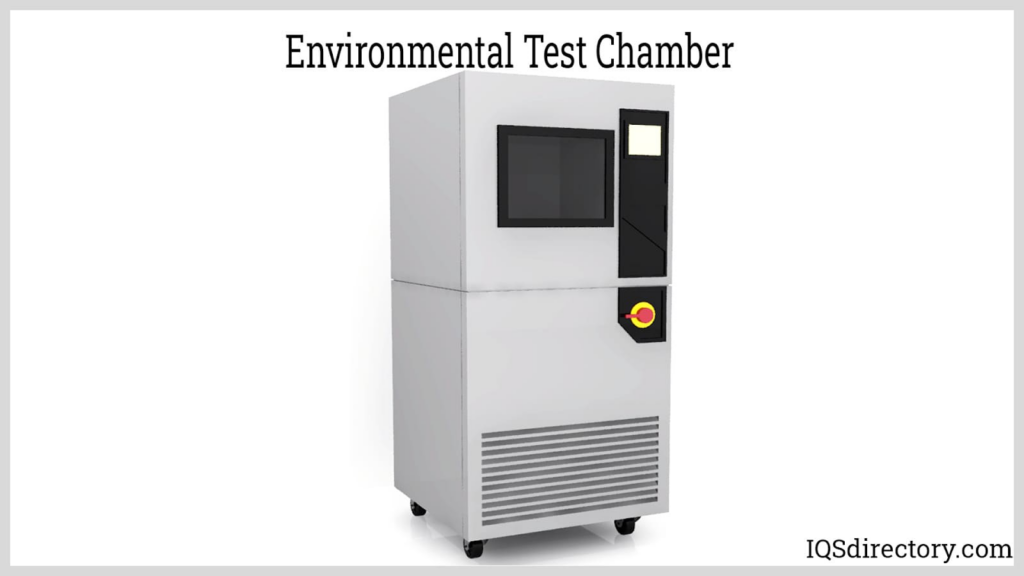
AGDisplays’ facilities boast multiple Class 1,000+ clean rooms (particle count <1,000/ft³ at 0.5μm), integrated assembly lines, and ESD-controlled floors (resistance <10^9 Ω). Equipment includes two oven chambers for accelerated aging (up to 150°C), an environmental test chamber (-40°C to 85°C, 10-95% RH), five OCA lines, laminating/de-laminating tools, radiometer/photometer for luminance measurements (accuracy ±2%), and universal LCD testers supporting resolutions from QVGA to XGA.
Our team, with 25+ years of experience, employs ISO-compliant quality controls, including full traceability via serialized components and multi-sourced procurement to avert supply disruptions. Processes monitor production in real-time, reducing fallout to <1%.
Real-World Benefits, Challenges, and Applications
Clients benefit from one-stop sourcing, slashing logistics costs by 20-30% and ensuring compatibility for maximal performance. Challenges like CTE mismatches are addressed via FEA and material selection, while applications span healthcare (sterilizable touch displays), military (NVIS-compliant units), and industrial (ruggedized TFTs).
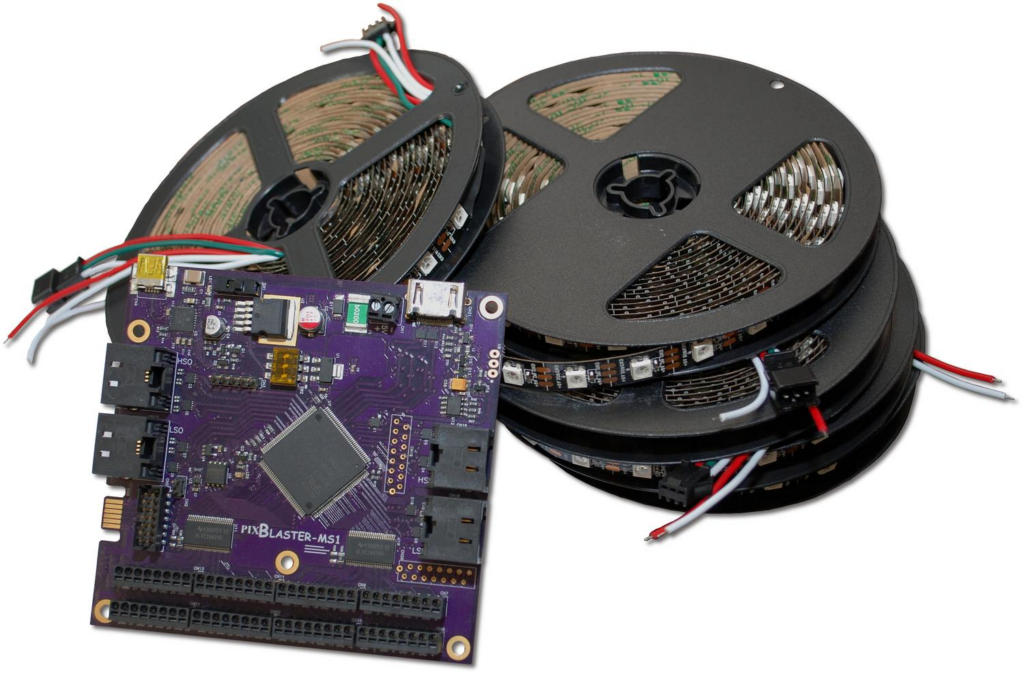
Development kits accelerate prototyping, pairing controllers with cabling for immediate evaluation.
Partnering with AGDisplays for LCD Excellence
As your integration partner, we handle everything from EOL replacements to custom builds, with over 10,000 unique cable designs in our portfolio.
Emerging Trends and Innovations
Future integrations will incorporate flexible OLED hybrids, AI-optimized backlighting, and sustainable materials like bio-based adhesives. AGDisplays is at the forefront, investing in R&D for these advancements.
In summary, our component assembly and integration services embody technical excellence, delivering solutions that endure and excel. Contact us to discuss how we can optimize your LCD projects.
Visit our Shopify Store to shop our latest enhanced display products